On this page
A New Orleans insurance review should start with how you use and park your car. A vehicle kept on an Uptown street, a borrowed car used for errands and a commuter car in a Gentilly driveway can raise different questions about coverage. This guide explains liability limits, vehicle flood protection, occasional drivers and transportation after a covered loss, with official city resources to help you plan.
Key Takeaways
-
Louisiana’s standard private-passenger auto liability minimum is 15/30/25: $15,000 bodily injury per person, $30,000 bodily injury per accident and $25,000 property damage per accident.
-
Liability coverage does not pay to repair your own car. Flood damage, theft, and most weather-related losses are handled under comprehensive coverage when purchased, not under liability.
-
In New Orleans, street flooding, borrowed cars, and occasional car use make choosing the right combination of liability, comprehensive, collision, and uninsured motorist coverage especially important.
-
Louisiana bodily injury uninsured motorist coverage generally matches bodily injury liability limits unless a permitted lower-limit, economic-only or rejection selection is made through the prescribed process.
-
Louisiana Car Insurance (Drivers Insurance Agency, Inc.) is an independent agency New Orleans drivers can call at (844) 454-1313 to compare car insurance options without pressure or instant binding online.
How Auto Insurance Works in New Orleans
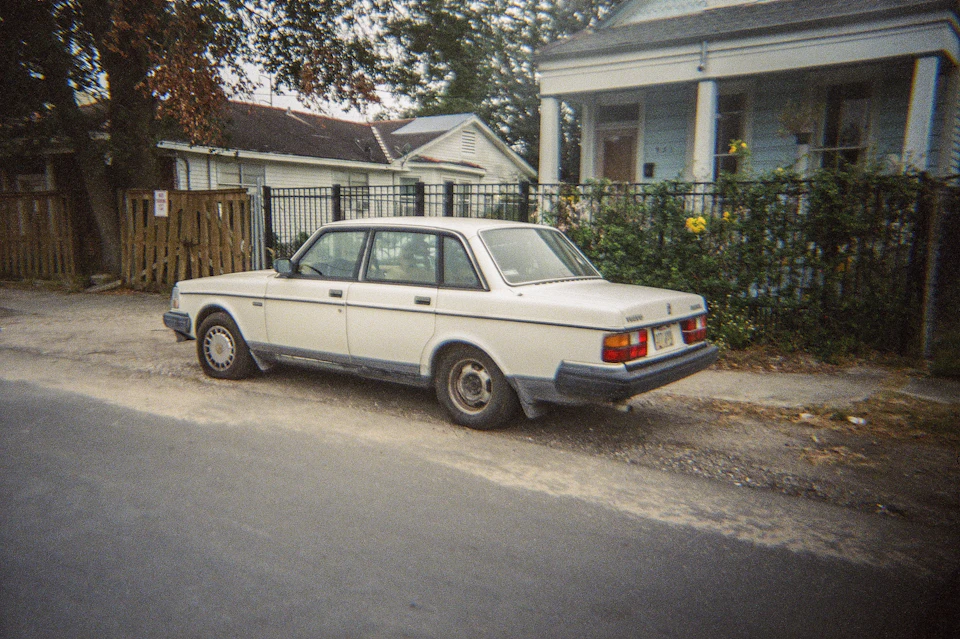
For a trip from Mid-City to the French Quarter, consider both the journey and where the vehicle will be parked. Tell your insurer the actual address where the car is principally kept, who regularly drives it and whether you commute or drive for work. A neighborhood name alone does not establish a price or determine what a claim will cover.
The terms “car insurance” and “auto insurance” are used interchangeably in everyday conversation, but a policy actually bundles several distinct coverages: liability, comprehensive, collision, uninsured motorist, medical payments, and optional extras like towing and rental reimbursement. Understanding what each one does – and does not – cover is the difference between a policy that protects you and one that just satisfies the law.
There is no single New Orleans premium that applies to every household. Compare quotes using the same drivers, vehicles, policy period, limits and deductibles. Ask which information still needs verification and whether fees or payment arrangements change the total. This guide does not present an unsupported citywide average as a personal estimate.
If you park on the street, borrow a car or drive mainly on weekends, discuss those details before selecting coverage. Occasional use does not remove parked-car exposure, and routine access to a household vehicle can affect eligibility for a non-owner policy.
Louisiana Car Insurance is operated by Drivers Insurance Agency, Inc. Call (844) 454-1313 to discuss options. A conversation or quote request does not bind coverage or reinstate a license. Confirm that insurance has been bound and its exact effective date and time before relying on it.
Louisiana Minimum Liability Limits and What They Really Mean
For standard private-passenger auto coverage, R.S. 32:900 specifies these minimum liability limits, commonly called 15/30/25:
-
$15,000 per person for bodily injury liability
-
$30,000 per accident for bodily injury liability (total for all injured people)
-
$25,000 per accident for property damage liability
As a hypothetical illustration, suppose you are liable for $40,000 in covered damage to two parked vehicles. A $25,000 property-damage limit leaves a potential $15,000 shortfall. That calculation is not an estimate of repair prices on any New Orleans street. Bodily injury has separate per-person and per-accident limits.
Minimum limits can leave a shortfall when covered damages exceed them. Ask for higher-limit alternatives such as 50/100/50 or 100/300/100 and compare the price difference. Neither higher liability nor the phrase “full coverage” means every loss is insured. Read the actual coverages, limits and exclusions.
Uninsured Motorist Coverage in the Crescent City
An uninsured or underinsured driver can create a financial problem even if you keep your own insurance current. Consider how you would handle covered injury expenses and lost income after such a collision; no neighborhood-level uninsured-driver estimate is needed to ask that question.
Under R.S. 22:1295, bodily injury UM generally matches bodily injury liability limits unless the named insured makes a permitted lower-limit, economic-only or rejection selection through the prescribed process. Review the selection form and what the choice changes.
UM/UIM can help with covered bodily injury losses involving an uninsured or underinsured driver, subject to the policy and law. Hit-and-run claims have their own evidence and coverage requirements. Do not assume every unidentified-driver incident is automatically covered.
Compare the cost and protection of the available UM choices before signing. Bodily injury UM is different from coverage for damage to your own car. Ask separately about collision and any available uninsured motorist property-damage coverage, including their limitations.
Flooding, Storms, and How Comprehensive Coverage Really Works
The city’s Ready for Rain resource explains how heavy rainfall, low-lying terrain and drainage capacity can produce flooding. Check current alerts before moving a car. Do not assume a familiar route or previously dry parking space is safe during a storm.
Liability coverage never pays to repair your own vehicle after water or weather damage. Drivers need comprehensive coverage for flood, falling objects, theft, fire, and similar non-collision events, subject to policy conditions and their chosen deductible.
Consider a few hypothetical examples:
-
Your sedan is flooded while parked on Esplanade Avenue. Its own liability coverage does not repair it. Comprehensive may address the damage if purchased, subject to the policy and deductible.
-
Hail and wind-driven debris damage a car parked near City Park during a tropical storm. Comprehensive coverage (if carried) would typically respond, minus the deductible.
Home flood insurance and auto comprehensive are separate products. For your vehicle, ask about comprehensive coverage for flood, theft and other specified non-collision losses. Review any restrictions on adding or changing coverage when a storm is approaching; coverage cannot be purchased retroactively for an existing loss.
Louisiana Car Insurance can help New Orleans drivers compare deductible options for comprehensive coverage, especially for vehicles that must be parked on the street or in low-lying neighborhoods.
Collision Coverage, Street Parking, and Occasional Car Use
Street parking raises practical questions about damage from another vehicle, vandalism and falling objects. Those events may involve different coverages. Collision can address covered damage from hitting another vehicle or object, subject to the deductible and terms. Comprehensive addresses specified non-collision losses.
Consider a hypothetical borrowed car backing into a pole or being struck at a Canal Street traffic light. Identify the vehicle’s policy, the driver’s permission and any household or excluded-driver restrictions. Coverage priority depends on the policies and circumstances; a driver’s separate policy is not a substitute for checking the owner’s coverage.
A weekend-only car can still be struck while parked. If you remove collision, consider how you would fund repairs after an unidentified driver causes damage. Ask about applicable collision or uninsured motorist property-damage coverage rather than assuming a liability-only policy will pay.
Lenders on financed vehicles typically require both comprehensive and collision coverage, which is a separate requirement from Louisiana’s legal minimum. You can read more about how coverage types fit together.
Comparing Coverage Levels: State Minimum vs. Broader Protection
Use the following table to compare example coverage arrangements. Figures such as 50/100 represent limits in thousands of dollars, not premiums. Actual UM selections and available benefits must be confirmed on the policy. “Full coverage” is not a standardized promise of protection against every loss.
|
Feature |
State Minimum |
Higher Liability + UM |
Liability + UM + Comp + Collision |
|---|---|---|---|
|
Bodily Injury Liability |
15/30 |
50/100 or higher |
50/100 or higher |
|
Property Damage Liability |
25 |
50 or higher |
50 or higher |
|
Uninsured Motorist (BI) |
Matches BI unless valid different selection |
Example: matches higher BI |
Example: matches higher BI |
|
Comprehensive |
No |
No |
Yes |
|
Collision |
No |
No |
Yes |
|
Rental Reimbursement |
No |
No |
Optional |
|
Towing/Roadside |
No |
No |
Optional |
Liability-only protection does not repair your own car after a flood, theft or parking-lot collision. Compare comprehensive and collision options, their deductibles and any relevant exclusions. Ask which insurers and coverages are actually available for your circumstances; this page does not imply access to every advertised carrier.
For ideas on balancing cost and protection, check out options for affordable coverage.
Local Driving Conditions and Official New Orleans Resources
Smart car insurance decisions go hand-in-hand with staying informed about storms, street flooding, parades, and construction. Here are the official tools New Orleans drivers should bookmark:
-
Ready NOLA – The city’s official preparedness hub with planning tips for hurricanes, heavy rain, and evacuations that can affect vehicles and routes.
-
Ready NOLA Rain Page – Guidance specifically about intense rainfall, precautions for parked cars, and understanding flood-prone streets.
-
Streetwise NOLA — View reported street flooding and accidents. Conditions can change, so follow official closures and never treat a missing report as proof a road is safe.
-
511 LA – Louisiana’s statewide traveler information service where commuters can check traffic and incidents on I-10, the Crescent City Connection, and other regional routes.
Arranging Transportation After a Covered Loss
Imagine your car is towed after a covered collision and you still need to reach work in Mid-City. If purchased, rental reimbursement may help with eligible transportation expenses, subject to daily and total limits. Ask whether a rental car, rideshare or another transportation expense qualifies under the actual policy.
Plan a backup route or ride before a claim occurs. Rental reimbursement generally depends on a covered loss and is different from roadside assistance. Ask separately about towing limits, flood recovery and any restrictions on moving a disabled vehicle; do not enter floodwater to retrieve it.
Louisiana Car Insurance agents can explain which policy options may help with temporary transportation, but no specific outcome is guaranteed – each claim is handled under its own policy terms.
High-Risk Situations, SR-22 Filings, and Non-Owner Coverage
Not everyone in New Orleans has a clean driving record. Tickets, accidents and license issues can affect insurance options and cost. Louisiana law restricts lapse-based pricing and eligibility decisions, including protection for a qualifying first lapse of 90 days or less. See our cost guide for protections and exceptions. An SR-22 filing is a certificate some drivers must have filed with the Louisiana OMV to prove they carry the required liability insurance, often after serious violations like DWI.
An SR-22 is a filing, not a separate insurance policy or automatic license reinstatement. OMV’s suspension guidance lists three years from conviction for DWI/UDUI and three years from arrest for chemical-test refusal. Confirm your own record’s requirement and dates with OMV.
A non-owner SR-22 policy may suit an eligible driver without a vehicle. Disclose household vehicles and regular access to other cars. Non-owner liability generally does not repair the borrowed car; eligibility and coverage need individual review.
How Louisiana Car Insurance Helps New Orleans Drivers Compare Options
Louisiana Car Insurance serves New Orleans as a service area; this page does not advertise a local walk-in office. A useful conversation starts with how you use the vehicle: a Gentilly commute, Uptown street parking, occasional errands or delivery work. Keep the actual garaging address and driver details accurate.
Discuss available coverage choices, deductibles and policy requirements with the agency. Before authorizing a policy, review the quoted terms and obtain confirmation of binding and the effective date and time. Do not assume an initial price or phone discussion means coverage is active.
Request a quote online to get started. Call (844) 454-1313 or review our quote comparison guide to prepare. A request does not start coverage.
Checklist: Preparing for New Orleans Driving and Insurance Shopping
Before discussing quotes or changing an existing policy, gather the details below:
-
[ ] Gather your current policy declarations page, driver’s license number, and VIN for each vehicle you keep in New Orleans
-
[ ] Review how often each car is driven – daily commute, weekend only, occasional loan to family
-
[ ] Note where each vehicle is normally parked: driveway in Gentilly, apartment lot in Mid-City, on-street in Uptown
-
[ ] Gather driving and prior-insurance history for the period requested by the insurer
-
[ ] Check lender or lease requirements for comprehensive, collision and any other protection
-
[ ] Consider your comfort level with deductibles – a higher deductible can lower your rate but increases what you pay out of pocket after a claim
-
[ ] Think about desired liability and UM limits and whether you want extras like towing or rental reimbursement
-
[ ] Ask about discounts for bundling home and auto, taking a defensive driving course, or having a clean record
Frequently Asked Questions About New Orleans Car Insurance
These FAQs address common questions specific to driving and insuring a vehicle in New Orleans that go beyond the main sections above. Each answer reflects general guidance – for your specific situation, call Louisiana Car Insurance at (844) 454-1313.
Does my car insurance cover damage if my car is hit or vandalized during a New Orleans parade?
Your own liability coverage does not repair your car. Comprehensive may address covered vandalism or falling-object damage; collision may address a covered vehicle impact. Terms and deductibles apply. Before parking near an event route, check current city restrictions and review the coverages on your declarations page.
Am I covered if I occasionally borrow a friend’s car in New Orleans?
Coverage often begins with the vehicle owner’s policy, but permission, excluded drivers, household access and policy terms matter. Ask the owner and insurer before borrowing. If you use the same vehicle regularly, disclose that access; a non-owner policy may not cover it.
Will my policy pay if I drive through standing water and my engine is damaged?
Driving into standing water is risky and strongly discouraged by city officials and Ready NOLA. Comprehensive coverage can address some types of flood damage to your vehicle, but insurers may view certain water-related engine damage differently depending on the circumstances. Read your policy carefully and ask your agent how your insurer approaches water ingestion claims before storm season arrives.
Do I need different car insurance if I start doing food delivery or rideshare in New Orleans?
Most personal auto policies have limitations or exclusions for business use such as rideshare or app-based food delivery, particularly during “on-app” periods. You may need a special endorsement or a separate commercial policy to stay covered. New Orleans residents considering rideshare driving in the CBD or food delivery in neighborhoods like Mid-City should call Louisiana Car Insurance to discuss options before they start driving for hire.
How often should I review my New Orleans car insurance policy?
An annual review is a good baseline, but you should also check in whenever something significant changes – moving from one neighborhood to another, adding a teen driver, paying off a car loan, or switching from a daily commute to occasional use. Any of these shifts can affect your rate and coverage needs. Contact Louisiana Car Insurance at (844) 454-1313 for a no-pressure review to find out whether your policy still matches how and where you drive in and around New Orleans.
New Orleans service area
This map shows the city discussed in this guide, not an agency office. Call (844) 454-1313 for assistance with coverage questions.